
If you're buying, selling, or already own a home in Grand County, there's a good chance homeowners insurance has come up in a conversation that used to be routine and isn't anymore. Across Colorado's mountain communities, insurers have grown more selective about writing policies on properties near forested land, and premiums for many Winter Park, Fraser, and Grand Lake homeowners have climbed noticeably in recent years. Whether you're closing on your first mountain property or renewing a policy you've had for a decade, understanding how insurance factors into today's transactions can save you real money and real headaches.
Why Is Homeowners Insurance Getting Harder to Find in Grand County?
Quick answer: Many national insurers have pulled back from writing new policies in Colorado's wildfire-prone mountain areas, including parts of Grand County, which has pushed more homeowners toward specialty carriers or the state's FAIR Plan.
Colorado's insurance market has tightened as carriers reassess wildfire exposure statewide, weighing factors like defensible space, roofing materials, proximity to forest, and prior claims history. The state created the Colorado FAIR Plan as a coverage option of last resort for property owners who can't find a standard policy, and it has become an increasingly relevant part of the conversation for mountain buyers. If you're touring properties, it's worth asking sellers whether they've had trouble insuring the home or whether their current carrier plans to renew.
How Does a Property's Location Affect Insurance Costs?
Quick answer: Homes closer to dense forest, on steep terrain, or with limited defensible space around the structure typically face higher premiums or more limited carrier options than homes in town or in open subdivisions.
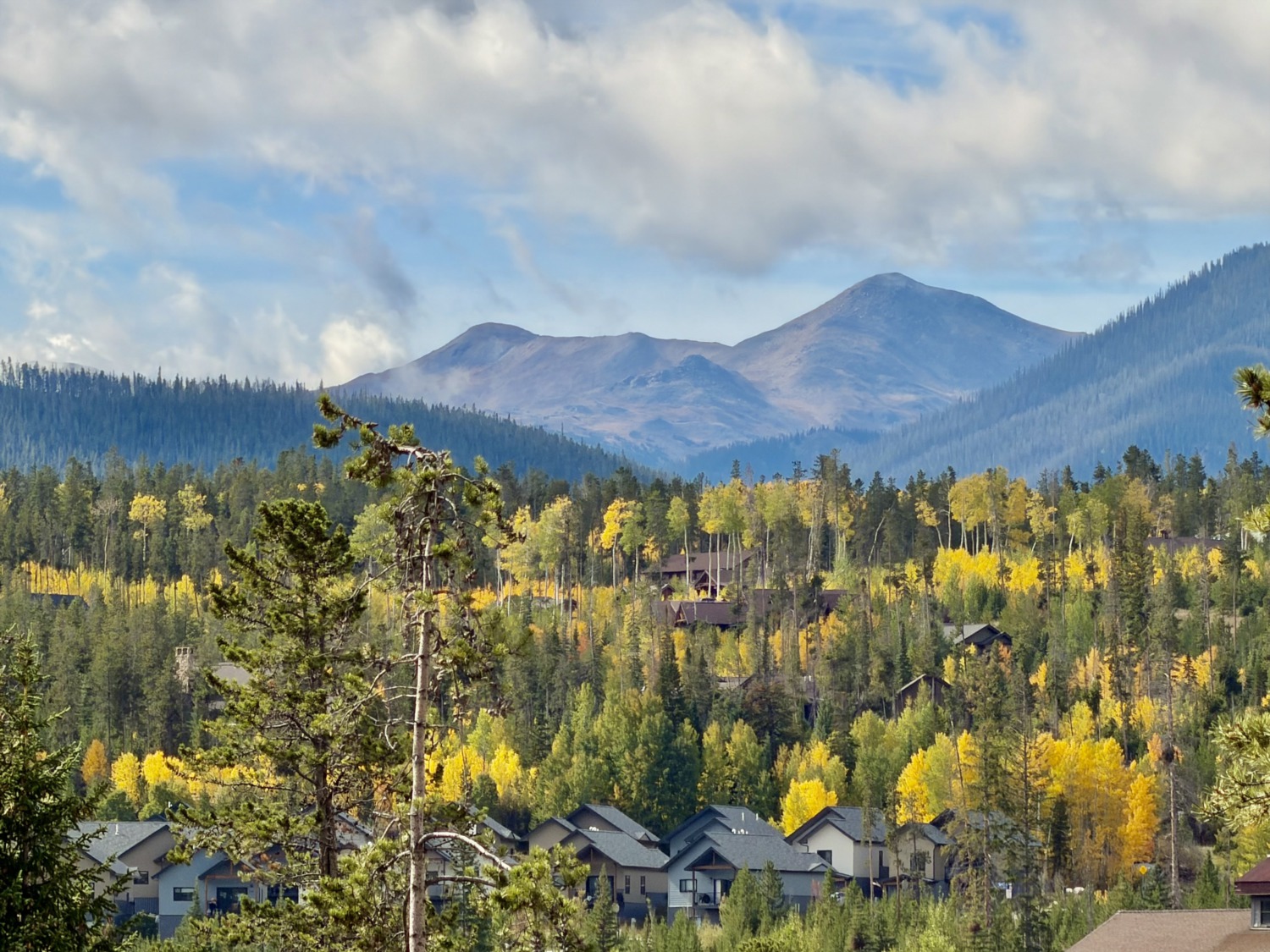
Insurers increasingly use wildfire-risk modeling that scores a property based on vegetation density, slope, and distance to fire response resources. Two homes a few streets apart in Winter Park or Fraser can carry noticeably different quotes depending on these factors. Community-level wildfire mitigation work — thinning, fuel breaks, and coordinated defensible space programs — can help an entire neighborhood's insurability over time, which is one more reason to ask about HOA or community mitigation efforts when evaluating a property.
What Can Sellers Do to Make a Home More Insurable?
Quick answer: Creating defensible space, upgrading to a Class A fire-rated roof, and documenting mitigation work can make a property easier and less expensive to insure — details worth sharing with buyers upfront.
Sellers who've cleared brush, limbed trees away from the structure, or replaced an aging roof with fire-resistant materials should keep receipts and before/after photos. That documentation can make a real difference in how a buyer's insurance agent quotes the home, and it can shorten a buyer's due-diligence timeline considerably.
How Should Buyers Budget for Insurance During the Purchase Process?
Quick answer: Get an insurance quote early in your due diligence period, not at the closing table, since a hard-to-insure home can affect your loan approval and your true monthly cost of ownership.
Lenders require proof of insurance before closing, so waiting until the last week of a contract to shop coverage is a risky habit. Get quotes from at least two or three carriers, ask specifically about wildfire and water-damage coverage, and treat the Colorado FAIR Plan as a backstop rather than a first option. A local insurance agent who already writes policies in Grand County will usually give you a faster, more realistic read than a national call-center quote.
Frequently Asked Questions
Is homeowners insurance required to buy a home in Grand County?
Quick answer: Yes, if you're financing the purchase your lender will require proof of insurance before closing, though cash buyers aren't legally required to carry it.
What is the Colorado FAIR Plan?
Quick answer: It's a state-created insurance option for property owners who can't find coverage through the standard market, typically at a higher cost than standard policies.
Does wildfire risk affect every property in Grand County the same way?
Quick answer: No, risk varies significantly by lot location, vegetation, and mitigation, so two homes in the same neighborhood can see very different quotes.
Can I switch insurance providers after closing?
Quick answer: Yes, homeowners can shop and switch carriers at any renewal, and many do so annually to find better rates.
Should I get an insurance quote before making an offer?
Quick answer: It's smart to get at least a preliminary quote during your due diligence period so insurance costs don't come as a surprise after you're under contract.
Insurance shouldn't be an afterthought in a Grand County real estate transaction — it's part of understanding the true cost of owning a mountain home. If you'd like a referral to local insurance agents familiar with Winter Park and Grand County properties, or want to talk through how a specific listing might be affected, reach out any time.
Greg Krol
Mountain Property Specialist – 720-703-3114
The Real Estate Company – Mountain Division
Winter Park, Colorado | trecwp.com
This article reflects publicly available information and general market observations as of August 2026 and is subject to change. It is not insurance, legal, or financial advice — consult a licensed insurance professional for guidance specific to your property.